
The GetDPI Photography Forum
Great to see you here. Join our insightful photographic forum today and start tapping into a huge wealth of photographic knowledge. Completing our simple registration process will allow you to gain access to exclusive content, add your own topics and posts, share your work and connect with other members through your own private inbox! And don’t forget to say hi!
Nikon Df
- Thread starter MHC
- Start date

bradhusick
Active member
I know this sounds a bit looney, but pre-chill the camera (not the batteries) in a ziplock bag in your freezer. The colder the sensor, the lower the noise.
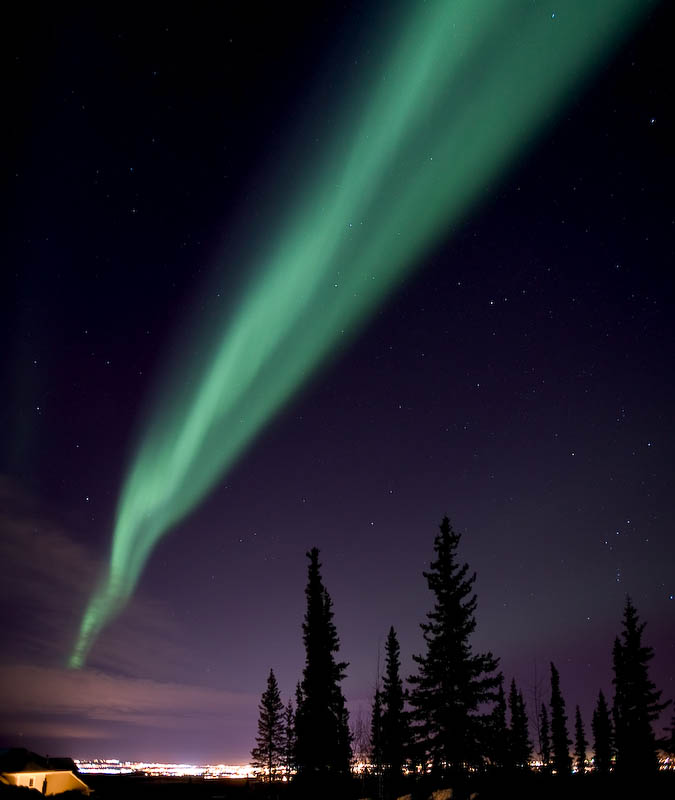
Just look at my aurora photo in the gallery and you'll see a 25 second exposure taken at -9 degrees F. Keep the batteries in your pocket until you need them.
http://www.getdpi.com/gallery/files/4/3/2a5w0815_fix.jpg
Just look at my aurora photo in the gallery and you'll see a 25 second exposure taken at -9 degrees F. Keep the batteries in your pocket until you need them.
http://www.getdpi.com/gallery/files/4/3/2a5w0815_fix.jpg
Graham is right! You can set it to show ISO on the bottom right of the Df viewfinder and if I recall correctly (don't have camera in hand at the moment), see the remaining # of frames instead of ISO when you half press the shutter button.Tim
You should see the ISO display in the VF at the bottom right - at least while you turn or adjust ISO or other exposure values. Obviously you can also display it on the rear LCD too with the info mode selected.
Btw, if you check option d3 and you should have the ISO value displayed instead of the exposure remaining count.
Dave (D&A)
Exactly Brad! I used to stay outside in the cold with past DSLR's prior to shooting Eclipses of the Moon, meteor showers, star trails etc. It does make a noticeable difference.I know this sounds a bit looney, but pre-chill the camera (not the batteries) in a ziplock bag in your freezer. The colder the sensor, the lower the noise.
Just look at my aurora photo in the gallery and you'll see a 25 second exposure taken at -9 degrees F. Keep the batteries in your pocket until you need them.
http://www.getdpi.com/gallery/files/4/3/2a5w0815_fix.jpg
Very nice image by the way!
Dave (D&A)
I agree about a cold sensor - the wind chill was down near zero F. while I was doing this test last night so I think we had that one covered. I once did an 8-hour single exposure star trail photo (ISO 200) with a Nikon Ds in 15 degree temp and the image was virtually noise-free. I often am out shooting for 6-8 hours at night here in the warm temps of Arkansas summers and will often duck tape a cold pack to the back of the camera to help keep the sensor cool.


DDudenbostel
Active member
My Df live view is much lower noise when zoomed in than my D800. It's very good.

kuau
Workshop Member
I ended up renting the DF and the Nikon 45mm PCE lens for a few days.My Df live view is much lower noise when zoomed in than my D800. It's very good.
Wow, what a nice camera and yes the Live View did work better then my D800
Now if I only had the $$$$$$$$$$$$$ to purchase one.
16MP FF for sure has a really nice look to it.
Have you tried telescopes? A proper reflector should give you lower exposure time with D800, or lower ISO or both. Some thing like this
Celestron - Telescopes - Rowe-Ackermann Schmidt Astrograph with CGEM DX
Celestron - Telescopes - Rowe-Ackermann Schmidt Astrograph with CGEM DX

I have send You an emailHave you tried with noise reduction set to on with the D800E? I do quite a bit of star stuff and if i'm not stacking then there's no problem with the second dark exposure, it actually does quite a good job. I've found with my Zeiss 21 that I can't do longer than 8 seconds without getting star movement, the second 8 second exposure is not a problem for me. The other way is obviously 2 exposures, 1 on the tracking mount for the stars and a second for the foreground at much lower ISO and blend them.
This might sound strange but I have a Sony RX1 which is unbelievable at night, I get cleaner files from that than the D800 but then it's restricted to the 35mm lens.
Have you got any images to show what you are doing?
Cheers
Mat